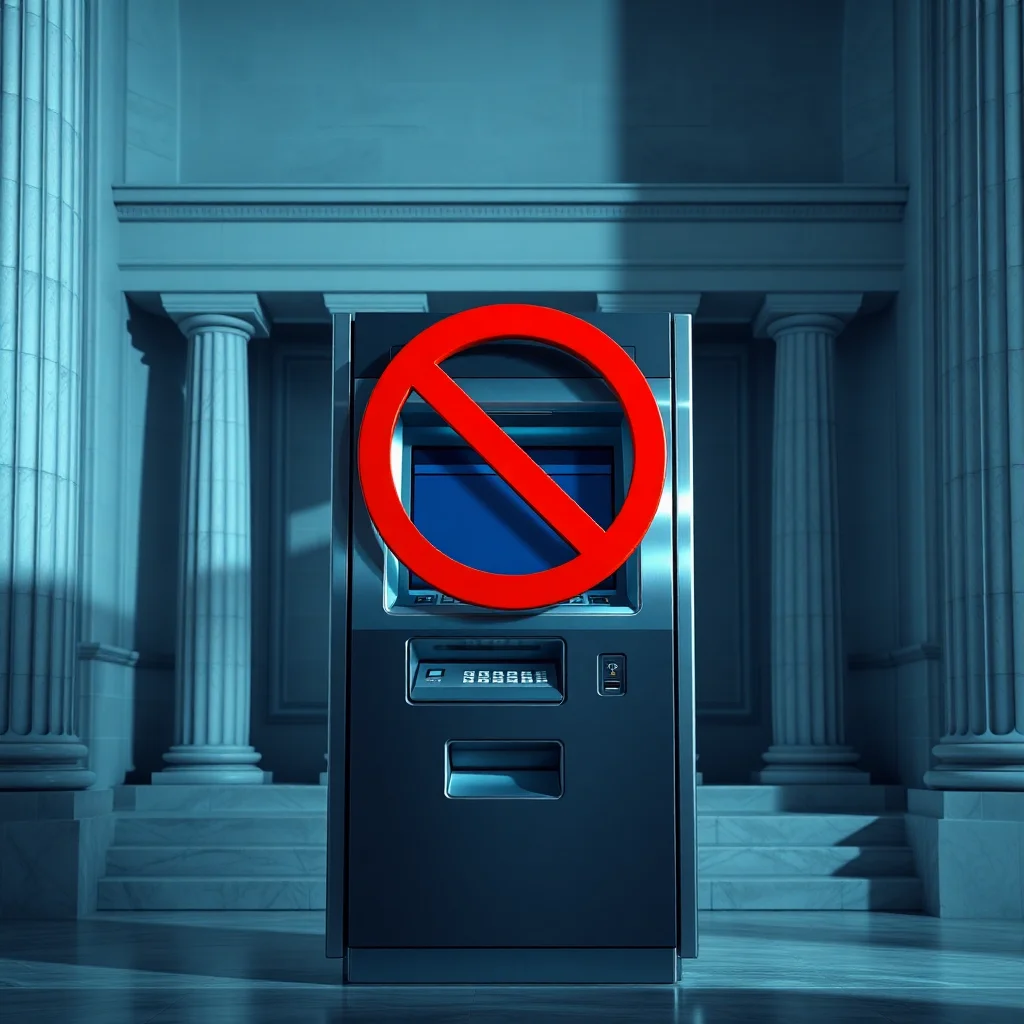
The cryptocurrency industry faces mounting regulatory headwinds as two major East Coast states move forward with legislation designed to completely eliminate cryptocurrency automated teller machines from their jurisdictions. Delaware and New Jersey lawmakers have advanced bills that would institute sweeping bans on crypto ATMs, marking a significant escalation in state-level crypto regulation and positioning these states alongside a small but growing number of territories that have taken similar action.
This legislative push reflects broader concerns among state regulators about consumer protection, fraud prevention, and financial stability. As crypto ATMs become increasingly prevalent across the United States, some lawmakers have concluded that the risks associated with these machines outweigh their benefits, particularly for everyday consumers who may lack sufficient knowledge about cryptocurrency investments.
Understanding the Crypto ATM Landscape
Cryptocurrency ATMs, also known as Bitcoin ATMs or BTMs, are physical machines that allow users to exchange digital currencies for fiat money and vice versa. These machines have proliferated across the United States in recent years, with thousands now operational in various states. They operate similarly to traditional ATMs but facilitate cryptocurrency transactions instead of traditional banking services.
The growth of crypto ATMs has been particularly notable in convenience stores, gas stations, and other retail locations. Proponents argue these machines provide essential access to cryptocurrency markets and promote financial inclusion. However, critics point to several concerns:
- High transaction fees that can exceed traditional banking services
- Susceptibility to fraud and scams, particularly affecting vulnerable populations
- Lack of consumer protections comparable to traditional financial institutions
- Potential use in money laundering and other illicit financial activities
- Minimal regulatory oversight compared to licensed financial services providers
The debate over crypto ATMs reflects the broader tension between innovation advocates and consumer protection advocates within the cryptocurrency space.
The Current State-Level Prohibition Landscape
Before Delaware and New Jersey's recent legislative advances, only a handful of US states had enacted complete bans on cryptocurrency ATMs. The exclusivity of this regulatory approach underscores how novel and contentious these restrictions remain within the broader regulatory environment.
States that have previously implemented crypto ATM bans have typically cited consumer protection as their primary motivation. These jurisdictions have determined that the risks posed by unregulated crypto ATM operations—including potential fraud, money laundering, and consumer losses—justify restricting or eliminating these machines entirely.
Delaware and New Jersey's movement toward joining this small group of prohibitionist states suggests a possible shift in how state regulators view cryptocurrency infrastructure. Both states have demonstrated willingness to take aggressive regulatory stances on financial innovation, and their actions could influence other states to reconsider their own crypto ATM policies.
Regulatory Justifications and Consumer Protection Concerns
State lawmakers advancing crypto ATM ban legislation have articulated several rationales for their positions. Chief among these concerns is consumer protection, particularly protecting unsophisticated investors and vulnerable populations from potential fraud and exploitation.
Crypto ATM transactions often involve irreversible transfers of funds, meaning consumers who fall victim to scams have limited recourse compared to traditional banking transactions. Additionally, the high fees associated with crypto ATM transactions can significantly diminish consumer returns, especially for small transactions.
Another significant concern involves anti-money laundering compliance. While crypto ATM operators must comply with certain financial regulations, enforcement remains inconsistent across operators and jurisdictions. Regulators worry that crypto ATMs could facilitate illicit financial flows without adequate safeguards.
Furthermore, policymakers have expressed concerns about financial stability and systemic risk. Although crypto ATMs represent a relatively small portion of overall financial activity, their growth and integration into mainstream retail locations raise questions about appropriate regulatory frameworks and oversight mechanisms.
Industry Response and Market Implications
The cryptocurrency industry has largely opposed state-level crypto ATM bans, arguing that these restrictions hamper innovation and limit consumer access to emerging financial tools. Industry advocates contend that comprehensive federal regulation, rather than patchwork state bans, would better serve consumers while supporting technological development.
Crypto ATM operators have raised practical concerns about the feasibility of blanket bans, noting that removing existing machines would eliminate consumer access points and potentially drive transactions underground or to neighboring states with more permissive regulations.
The financial implications of widespread crypto ATM bans could be substantial. Operators of crypto ATM networks would face significant asset write-downs and revenue losses if multiple states enact prohibitions. This economic pressure may incentivize operators to increase lobbying efforts or support legal challenges to these restrictions.
The Broader Regulatory Trajectory
Delaware and New Jersey's actions reflect a broader trend of state-level regulatory experimentation with cryptocurrency. As federal regulation remains fragmented across multiple agencies with overlapping jurisdictions, states have increasingly taken the initiative to establish their own cryptocurrency frameworks.
These legislative efforts occur within a context of ongoing federal debates about cryptocurrency regulation. Congress has considered various proposals for comprehensive digital assets regulation, but bipartisan agreement has proven elusive on many issues. Meanwhile, state legislatures continue enacting their own rules, creating a complex and sometimes contradictory regulatory landscape.
The success or failure of Delaware and New Jersey's crypto ATM bans will likely influence regulatory decisions in other jurisdictions. If these bans effectively reduce fraud and consumer harm without significantly disrupting legitimate financial activity, other states may follow suit. Conversely, if bans prove difficult to enforce or create unintended consequences, they may serve as cautionary tales for other legislatures considering similar measures.
As cryptocurrency technology continues evolving and becoming more integrated into mainstream financial services, the question of how to balance innovation with consumer protection will remain central to regulatory discussions at both state and federal levels.
This article was last reviewed and updated in June 2026.