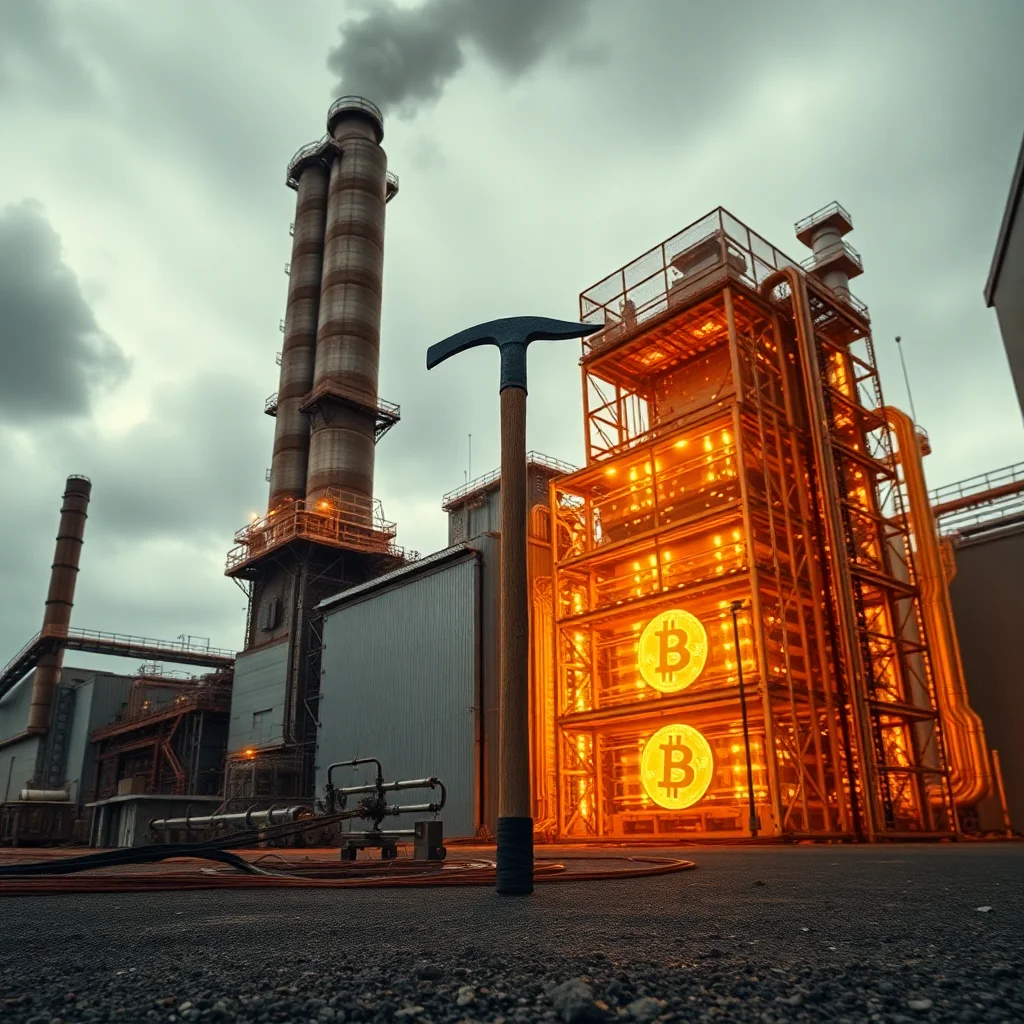
The cryptocurrency industry's insatiable appetite for electricity is reshaping America's industrial landscape. In a striking example of this transformation, mining powerhouse NYDIG is in advanced negotiations to purchase Alcoa's dormant Massena East smelter facility in upstate New York—a move that represents both the challenges and opportunities within Bitcoin's energy-intensive ecosystem.
This potential transaction underscores a broader trend: as traditional heavy industries contract or shift operations, Bitcoin miners are acquiring and repurposing these energy-rich facilities to power their computational networks. The Massena facility, once a cornerstone of aluminum production, now stands at the intersection of industrial heritage and cryptocurrency innovation.
Understanding the Massena East Facility
The Massena East smelter has a storied history in American industrial manufacturing. Located in upstate New York near the Canadian border, the facility was part of Alcoa's extensive aluminum production network. The plant's strategic location provided access to hydroelectric power from the St. Lawrence River, making it an ideal location for the energy-intensive aluminum smelting process.
Alcoa suspended operations at the facility in recent years as market conditions, energy costs, and shifting global aluminum production patterns made the operation less economically viable. Like many traditional smelters in the United States, Massena East represents underutilized industrial infrastructure—a facility with existing power infrastructure, substantial physical plant, and workforce expertise, but no immediate purpose in its original industry.
The building's dormancy created an opportunity. Rather than remaining idle, the facility's substantial power capacity and existing infrastructure made it an attractive target for Bitcoin mining operations seeking to relocate or expand operations.
Bitcoin Mining's Energy Demands and Infrastructure Needs
Bitcoin mining requires consistent, abundant, and preferably affordable electricity. The process of validating transactions and securing the network demands computational power that consumes megawatts of electricity continuously. This fundamental requirement has driven miners to seek locations with:
- Access to low-cost renewable or hydroelectric power
- Existing industrial infrastructure designed for high power delivery
- Favorable regulatory environments for cryptocurrency operations
- Geographic proximity to grid capacity and transmission infrastructure
- Climate conditions suitable for cooling mining hardware
The Massena location offers several advantages that make it attractive for Bitcoin mining operations. The region's proximity to hydroelectric power sources, particularly given New York's renewable energy initiatives, aligns with the growing emphasis on sustainable mining practices. Additionally, the facility's existing electrical infrastructure—originally designed to support aluminum smelting's massive power demands—can be repurposed for mining operations with modifications.
NYDIG's Strategic Expansion
NYDIG, short for New York Digital Investment Group, has positioned itself as a significant player in Bitcoin infrastructure and custody solutions. The company's interest in acquiring Massena East reflects a strategic expansion into mining operations and infrastructure development. This move would represent a notable escalation in NYDIG's operational footprint within the Bitcoin ecosystem.
The negotiations signal NYDIG's confidence in Bitcoin's long-term viability and the profitability of large-scale mining operations. By acquiring an established facility with existing power infrastructure, NYDIG avoids the significant capital expenditure and regulatory hurdles associated with constructing a mining operation from scratch. This acquisition strategy is increasingly common among established cryptocurrency firms seeking to scale operations efficiently.
For NYDIG, the Massena facility represents an opportunity to expand its role from primarily a financial services company to an active infrastructure operator within the Bitcoin network. This vertical integration could enhance the company's revenue streams and operational resilience within the cryptocurrency ecosystem.
Industrial Transformation and Economic Implications
The potential sale of Massena East to NYDIG exemplifies the broader economic transformation occurring in traditional industrial regions. As manufacturing bases shift globally and technologies evolve, regions must adapt to remain economically viable. Cryptocurrency mining represents an unexpected but significant new use case for dormant industrial facilities.
For the Massena region specifically, this transaction could bring several economic benefits:
- Revitalization of a dormant industrial facility and restoration of employment opportunities
- Tax revenue generation for local and state governments
- Restoration of utility company relationships and power consumption
- Technology sector growth and modernization of regional infrastructure
However, the transition from traditional manufacturing to cryptocurrency operations also raises important questions about workforce transition, community economic stability, and the long-term viability of mining-dependent regional economies. Unlike aluminum smelting, which required specialized technical expertise developed over generations, Bitcoin mining operations may require different skill sets and offer different employment opportunities.
Regulatory and Environmental Considerations
The shift of industrial facilities from aluminum production to Bitcoin mining occurs within an evolving regulatory landscape. New York State has taken notably active positions on cryptocurrency regulation, including the BitLicense framework and various environmental oversight mechanisms.
Environmental considerations play a significant role in evaluating this transaction. While aluminum smelting also requires substantial electricity, Bitcoin mining's regulatory scrutiny regarding energy consumption and environmental impact has intensified. The proximity of Massena to hydroelectric power sources—particularly renewable energy—may help address environmental concerns. However, regulators and community stakeholders will likely scrutinize the facility's conversion to ensure it meets evolving environmental and energy standards.
The facility's location within New York State, which has implemented specific policies regarding cryptocurrency operations, means that NYDIG's acquisition will occur within a defined regulatory framework. This clarity, while potentially more restrictive than other jurisdictions, also provides certainty and legitimacy to the operation.
Looking Ahead
The advanced negotiations between NYDIG and Alcoa represent a significant moment in cryptocurrency infrastructure development. Should the transaction conclude, it will demonstrate Bitcoin mining's capacity to revitalize industrial facilities and create new economic opportunities in traditional manufacturing regions.
The deal also signals the maturation of Bitcoin infrastructure development. Rather than operating from improvised or specialized facilities, major Bitcoin operations are increasingly acquiring established industrial infrastructure. This trend suggests growing mainstream acceptance of cryptocurrency mining as a legitimate industrial activity worthy of long-term capital investment.
As the cryptocurrency industry continues evolving, expect more similar transactions as mining firms identify and acquire dormant industrial facilities with advantageous power infrastructure and geographic characteristics. These transformations will reshape industrial regions and create new economic models for areas struggling with traditional manufacturing decline.
This article was last reviewed and updated in May 2026.